


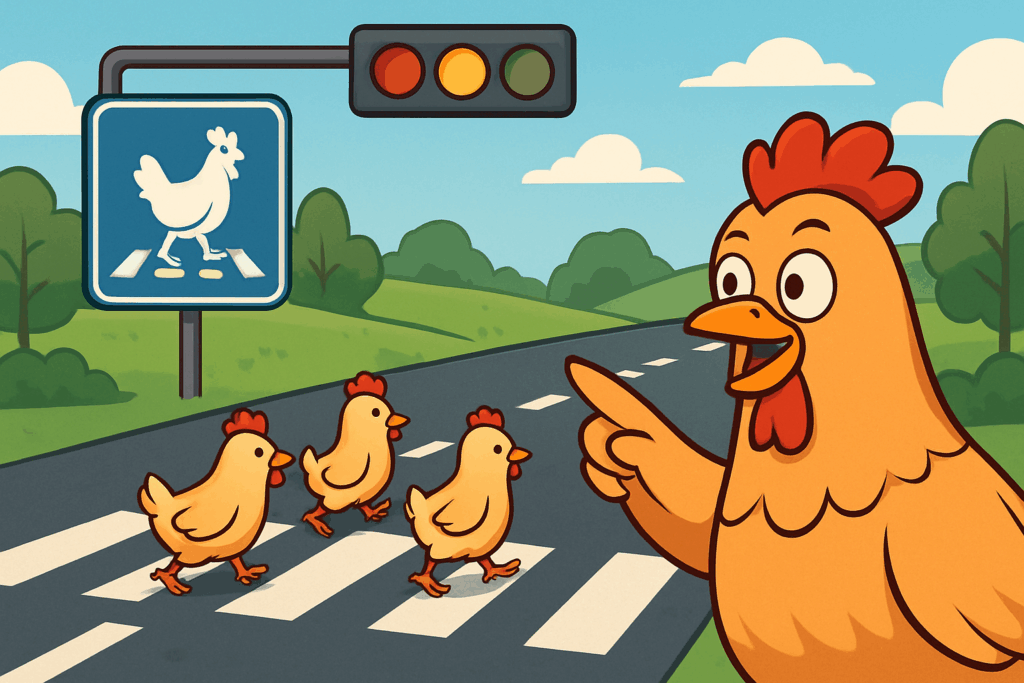
What we first we inquire about a slot such as Chicken Road isn't about the theme or artwork. It's about how the game behaves over time. Volatility and risk assessment indicate if we should anticipate common minor wins or long dry spells with a rare big payout. For players in the UK handling a budget, understanding these numbers matters. Chicken Road's agricultural theme is playful, but beneath the surface hides a surprisingly nuanced payout system. Let's analyze each aspect of its volatility—payout percentage, reel structure, bonus features, maximum payout—so you can decide if it fits your gambling style.
How to Approach Chicken Road with a Risk-Focused Mindset
Before investing real money, we strongly advise exploring the demo version of Chicken Road, which is readily accessible at UK online casinos. Free play enables you to feel the volatility first-hand without financial pressure, providing you with a sense for how regularly the bonus triggers and how the bankroll changes. Once you move to real-money play, the first step is to check the game's information screen and check the RTP and volatility rating. Then set your bet size in line with your session budget, and think about utilizing the autoplay function with a loss limit to prevent emotional decisions during a cold streak.
During play, we find it useful to embrace a disciplined approach: after a significant win, decrease your bet size or cash out a portion of your profits to lock in gains. If you encounter your pre-set loss limit, walk away. Pursuing losses in a medium-high volatility slot like Chicken Road can result in rapid bankroll depletion because the game's math is designed to create extended losing runs. Keep in mind, no betting pattern or strategy can alter the RTP or volatility; the only factor we influence is how much we wager and for how long. By viewing each spin as a separate event and sticking to a plan, we can enjoy the farmyard adventure responsibly.
RTP and Its Link with Volatility in Chicken Road
RTP (RTP) is the theoretical percentage of all staked money that a slot returns over a vast number of spins. Chicken Road's RTP generally ranges between 95.5% and 96.5%, which is typical for contemporary video slots at UK-licensed casinos. Keep in mind, RTP doesn't determine short-term results. A game with 96% RTP can still swallow your bankroll in minutes if risk is high and luck isn't on your side. The RTP figure simply indicates us that, over millions of spins, the house edge is around 4%.
The relationship between RTP and volatility confuses many players. High RTP plus high risk means the game rewards a decent share overall, but those rewards come in rare, large payouts. In Chicken Road, the main part of the RTP is given through the bonus features and top symbol combinations. That can lead to long losing streaks that feel worse than the RTP suggests, but a single big win can recoup much of the deficit. We consistently advise checking the specific RTP setting in the game's help file, because some operators may offer slightly different configurations.
Bonus Features That Amplify or Balance Volatility
The free spins feature is the core of Chicken Road's high-volatility draw. Get three, four, or five scatter symbols any place on the reels to activate it, awarding 10, 15, or 20 free spins respectively. During the round, a progressive multiplier may grow by one with every winning cascade or each new scatter that emerges. The multiplier can reach as high as 10x or more, transforming even a modest combination into a substantial payout. Because the free spins can be triggered again, you can link together a long sequence of spins with an ever-growing multiplier, revealing the maximum win potential.
Beyond free spins, Chicken Road features wild symbols that can occur with 2x or 3x multipliers in the base game, bringing an extra layer of variability. Some versions of the game may feature a “Road Crossing” pick-and-click bonus, where you choose from a grid of hidden prizes to reveal instant cash awards or additional multipliers. These features occur rarely, so they heighten volatility rather than smoothing it, producing memorable moments that can save a losing session. The gamble feature, if offered, lets you bet a win for a chance to double it, but we advise that this can quickly escalate losses.
Top Win Potential and Win Rate
Chicken Road's maximum win is capped at a substantial multiplier, typically in the region of 5,000x to 10,000x your total stake. Landing that demands a rare combination of high-value symbols, full wild multipliers, and a maxed-out free spins multiplier, making it an highly rare event, likely once in several million spins. More realistically, during a typical session, the maximum we can expect for is a win in the spectrum of 200x to 500x the bet. The game's hit frequency lies around 22% to 25%, meaning approximately one in four spins will produce a payout, though many will be below the stake.
Comprehending hit frequency aids regulate expectations. A 25% hit rate means that over 100 spins, you might see 25 winning spins, but numerous of those will be low, maybe 0.2x or 0.5x the bet. The big wins are focused in the bonus round, which alone only triggers on approximately 0.5% to 1% of spins. That spread clarifies why you can withstand long sequences of dead spins and still wind up with a net positive session if the bonus delivers. We advise maintaining a close eye on your balance and appreciating the small wins as they keep you in the game while you hold out for the feature to unlock the game's full potential.
Stake Range and Bankroll Management for Risk-Aware Players
Chicken Road caters to a broad spectrum of players with a bet range that typically begins at £0.10 or £0.20 per spin and can go up to £100 or more for high rollers. Because of the medium-high volatility, betting at the lower end enables you to discover the game's rhythm without draining your balance fast. We advise a session bankroll of at least 150 to 200 times your bet size. For example, spinning at £0.20 with a bankroll of £30 to £40 offers you a safe margin to weather dry spells and have enough spins to trigger the bonus.
Adjusting your bet size doesn't affect the underlying volatility or RTP, but it directly affects the monetary swings you encounter. A £1 spin can generate a £500 win during a hot streak, but it can also exhaust a £100 balance in under ten minutes if the reels go cold. We always suggest setting a firm loss limit before you start and using any responsible gambling tools the casino offers, like reality checks and deposit limits. For UK players, regarding Chicken Road as paid entertainment rather than a profit-making venture is the best approach, and thoughtful wager selection is the first step toward long-term play.
How Volatility and Risk Rating Truly Mean for Chicken Road
Volatility, often called variance, explains how a slot rewards in the short term. Low-volatility games give regular, modest wins. High-volatility ones deliver rare but significant payouts. Chicken Road falls in the medium-to-high range. That indicates a mix of moderate line hits and the odd big win, but also periods where the reels go cold. You'll see the risk rating in the game's info panel, often shown as lightning bolts or a label like “high”. For UK players, that rating is a handy guide to bankroll needs and session expectations.
When we spin a medium-high volatility slot similar to Chicken Road, we ought to look for a win frequency approximately 20% to 25%. That's about one win every four or five spins, but the majority of those wins will be smaller than our total bet. The real excitement comes from the bonus features, which can deliver 50x, 100x, or more. It's not rare to go 20 or 30 spins without triggering any feature, and that can rapidly eat into a limited bankroll. Understanding this rhythm aids us create realistic expectations and steer clear of frustration during dry spells.
Slots, Lines, and Ways to Win: The Foundational Framework
Chicken Road uses a 5-reel, 3-row grid with 243 ways to win. There are no traditional paylines; wins happen whenever identical symbols land on consecutive reels from left to right. This arrangement enhances the rate of small wins because any left-to-right group counts, but the symbol values are ranked so only the premium icons and wilds pay more than your stake. The 243-ways system gives a hit rate that feels immersive in the base game, but the real volatility lies behind the requirement for multiple high-value symbols or wilds to line up at once.
The paytable displays a clear ranking: five chickens pay the most, then the tractor, barn, and egg basket, while the card royals offer minimal returns. The wild symbol, a golden egg or a rooster, stands in for all regular symbols and can appear stacked on certain reels, increasing the possibility for multi-way wins. The scatter, usually a road sign, activates the bonus round and pays separately of the ways-to-win mechanic. Since the base game maximum win without wild multipliers is comparatively capped, we depend on the scatter to access the high-volatility part of the game's math.
How the Barnyard Theme and Playing mechanics Affect Volatility
At first glance, Chicken Road's bright farmyard scene, featuring squawking hens, eggs, and a dusty country lane, might suggest a light-hearted, low-risk adventure. But the theme is truly a smart wrapper for a math engine that leans hard on its bonus rounds for the biggest thrills. The base game symbols are low-paying card royals and higher-value farm objects like a tractor, a barn, and the chicken herself. These can form winning combinations across the ways-to-win grid, but the payouts from regular symbols are intentionally modest. That concentrates the volatility in the special features.
The core gameplay loop is all about landing scatter symbols to unlock the free spins round. The rarity of that trigger is what truly defines the slot's risk profile. In our experience, the bonus activates about once every 150 to 200 spins on average, though individual sessions can vary wildly. That means we often spend long stretches grinding through base game spins that yield only small returns, building anticipation for the moment we finally cross the Chicken Road slots online Great Britain. The design purposefully creates tension between the calm, pastoral visuals and the high-variance math underneath, making every bonus trigger feel like a big event.
Evaluating Chicken Road's Variance to Other Popular Slots
To place Chicken Road's risk rating into view, contrast it to famous titles in the UK market. Low-volatility slots like Starburst provide a gentle experience with frequent small wins, ideal for casual play but without the adrenaline of big payouts. At the contrary extreme, high-volatility games like Dead or Alive 2 or San Quentin can deliver colossal wins but also feature brutal dry spells that challenge even the most patient players. Chicken Road lies securely in the medium-high bracket, akin to Book of Dead or Bonanza, where the base game offers enough action to keep you entertained, but the real excitement is saved for the bonus round.
This positioning makes Chicken Road an excellent choice for players who seek a balance between entertainment and win potential. The farmyard theme and playful animations lessen the psychological impact of the variance, making the wait for the free spins feel less punishing. While it may not suit those who favor the steady drip of reddit.com low-volatility games, it provides a convincing middle ground that rewards patience with the possibility of a memorable payout. Knowing where Chicken Road falls on the volatility spectrum helps you pick the right game for your mood and bankroll, making sure every session stays fun and within your comfort zone.